Let’s be honest—Pinterest can feel confusing at first, but the good thing is, there’s a reason why your Pinterest pins aren’t getting clicks, and they’re totally fixable!
If you’re like me, you don’t want to waste your time. You’re spending a lot of time posting pins, staying consistent, making the actual pins and maybe you’re getting views…but no clicks.
This means, no blog traffic, no affiliate sales, no email subscribers, and most importantly: no money.
And then people start saying, “Pinterest doesn’t work.” But most of the time, that’s not true.
Pinterest works incredibly well—but only when you understand how people actually use it.
Pinterest is not social media.
It’s a search engine.
People are not scrolling for entertainment like they are on Instagram. They are searching for solutions.
“How do I make passive income?”
“What’s the best skincare routine?”
“How do I start a blog?”
“What are the best summer dresses?”
They are looking for answers.
Which means if your pins aren’t getting clicks, it usually comes down to one thing: Your content isn’t positioned to solve a problem.
The good news? That’s fixable.
And honestly, once you understand this, Pinterest becomes one of the best traffic and income tools you can use.
Especially for affiliate marketing, blogging, and selling digital products.
Let’s talk about why your Pinterest pins aren’t getting clicks.
***This post might contain affiliate links, but it won’t cost you anything extra. I only recommend products that I know and love.***
1. Your Pin Looks Pretty… But It Doesn’t Make People Click
This is probably the biggest mistake I see.
People focus so much on making their pin aesthetic that they forget the actual job of the pin:
To get the click.
Making your pins look pretty helps, -but clarity converts.
People are not clicking because your pin is cute, they’re clicking because they believe it will help them solve something. For example: “Soft Girl Morning Routine” …sounds nice. But: “How to Create a Christian Girl Morning Routine That Actually Changes Your Day”…gets clicked.
Why? Because it feels specific, solves a problem, and it creates curiosity.
Your pin should answer this question instantly: “Why should I click this?”
If it doesn’t, people keep scrolling.
Good Pin vs Bad Pin (This Changes Everything)
This is such an important visual because sometimes people don’t realize why one pin performs and one completely flops.
BAD PIN Example:
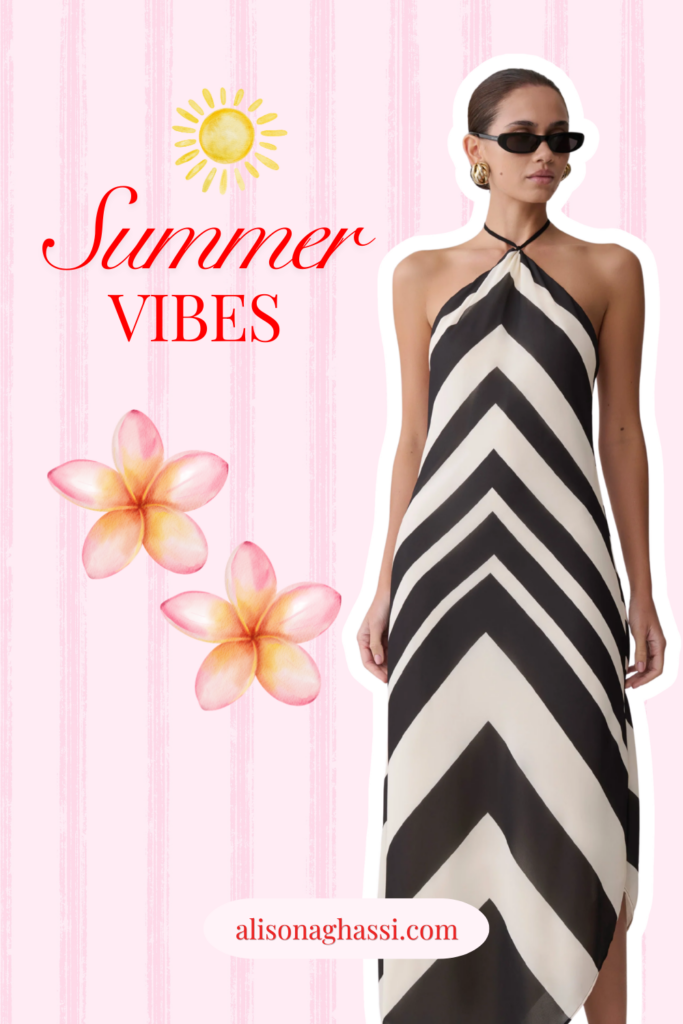
Description: cute summer ideas
Why this doesn’t work:
- Too vague
- No searchable keywords
- No problem being solved
- Doesn’t create urgency
- Doesn’t tell me what I’m getting
It might look pretty, but Pinterest has no clue what to do with it.
And neither does the person scrolling.
GOOD PIN Example:
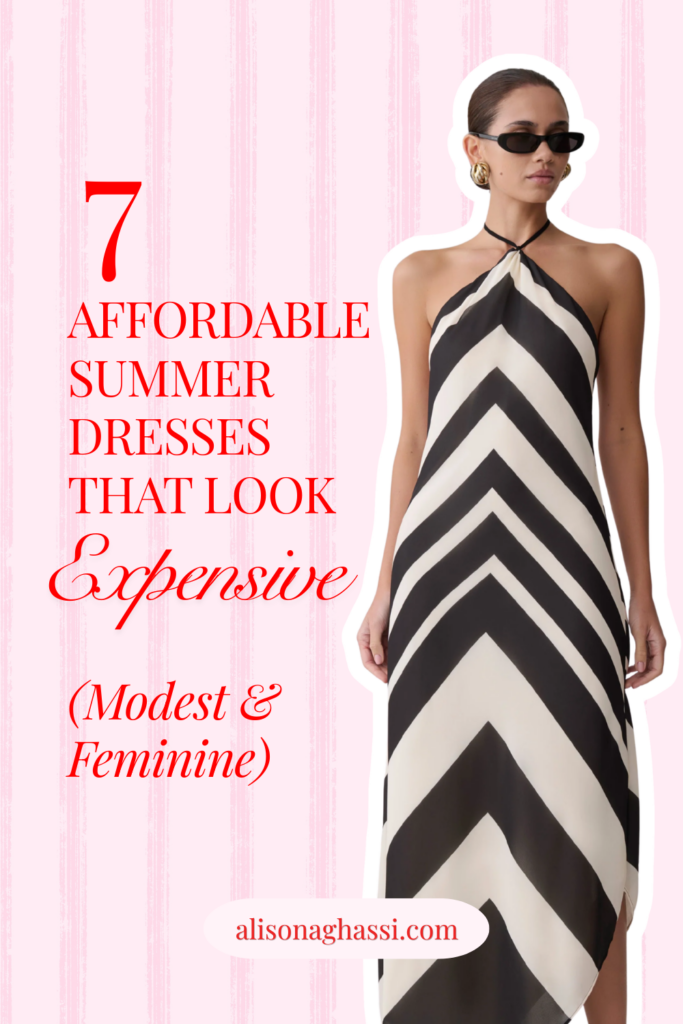
Description: Best modest summer dresses for women that are affordable, flattering, and perfect for everyday summer outfits.
Why this works:
- Strong keywords
- Clear promise
- Specific result
- Buyer intent
- Easy to understand in 2 seconds
This is the kind of content people save AND click.
And clicks are what make money. Not just impressions.
2. Your Titles Are Too Weak
Weak titles kill strong content. This is one of the biggest mistakes people make as to why your Pinterest pins aren’t getting clicks.
You can have the best blog post in the world, but if your title sounds boring, nobody clicks.
For example: “Ways to Make Money Online” vs “20 Passive Income Ideas That Can Make You $1,000+ a Month”. Which one are you clicking? Exactly.
Your title should create:
- curiosity
- specificity
- desire
- urgency
It should make people think: “I need to read that.”
This applies to both your blog title and your pin title.
Strong titles = strong traffic.
3. You’re Sending People to Weak Blog Posts
Pinterest can get you traffic. But your blog post, or affiliate link has to do the rest.
If people click and immediately leave because the content is weak, Pinterest notices.
And then it stops pushing your content.
Your post needs:
- a strong opening
- clear value
- good formatting
- trust-building
- real information
- a clear next step
People should land on your post and feel like: “This is exactly what I was looking for.”
That builds trust. And trust creates sales.
4. You Don’t Actually Have a Monetization Strategy
This one is HUGE.
So many people say: “I’m getting traffic but I’m not making money.” Because traffic alone doesn’t pay.
You need strategy. Every single blog post should lead somewhere. Ask yourself: What is this post supposed to do?
Examples:
- grow your email list
- lead to affiliate links
- sell your digital product
- promote your course
- drive people to your freebie
If people land on your blog and there’s nowhere to go… they leave.
Traffic without strategy is just busy work, and we do not have time for that!
5. Affiliate Marketing on Pinterest Is a Goldmine (If You Do It Right)
Pinterest and affiliate marketing work so well together because people are already searching with buying intent. They are literally looking for recommendations.
Best skincare.
Best journals.
Best summer dresses.
Best blogging tools.
This is where affiliate marketing becomes powerful.
One of the best resources for learning how to actually do this properly is Pinlab.ai.
Their course teaches how to use Pinterest specifically for affiliate marketing so you’re not just posting random pins and hoping for the best.
You learn:
- how to create high-converting affiliate pins
- how to get clicks that turn into commissions
- how to choose profitable content
- how to scale affiliate income through Pinterest
- how to use AI to make content faster and show up faceless
If affiliate marketing is your goal, this is such a smart place to start. Because guessing is expensive. Learning strategy is faster. My advice: start with PinLab.ai, it’s how I learnt everything.
6. ShopMy Is One of My Favorite Pinterest Affiliate Tools
If you’re linking products from fashion, beauty, lifestyle, home, or basically anything aesthetic—ShopMy is amazing.
It makes affiliate linking so much easier. Instead of trying to manage a million affiliate platforms, ShopMy lets you create curated product collections and earn commission from the brands people actually want to shop.
It works so well for Pinterest because you can create:
- beauty round-up posts
- fashion recommendation posts
- home finds
- skincare routines
- gift guides
- self-care product lists
…and link them beautifully. This is perfect for posts like:
“TikTok Viral Beauty Finds”
“My Favorite Summer Dresses”
“Christian Girl Morning Routine Essentials”
You can turn normal recommendations into real passive income.
You can use my referral link here to get started quickly: ShopMy link
Highly recommend setting this up if product-based affiliate income is part of your strategy.
7. Create Faceless Wealth Is Perfect for Pinterest Sellers
If you want something stronger than just affiliate commissions…you need a digital marketing offer.
Digital products change everything, because you buy it once, and get 70-85% commission everytime you resell it.
One of the reasons I love Create Faceless Wealth is because it teaches over 12 different ways to make money online—especially for faceless creators.
This is perfect for Pinterest because Pinterest traffic converts incredibly well for digital offers.
Instead of earning one small commission, you can sell:
- digital products
- courses
- templates
- guides
- MRR products
- affiliate offers
Create Faceless Wealth teaches exactly how to do that.
Especially if you want to grow a faceless brand and stop relying only on social media.
Pinterest + digital products = a very powerful combination.
And honestly, once you understand that, everything changes.
8. You’re Not Using Searchable Keywords
Pinterest is SEO. This matters so much. If your content says: “Dream Life Reset” …but people are searching: “How to change my habits” Pinterest doesn’t know what to do with your content.
You need searchable words. Not clever words.
Use real keywords like:
- passive income ideas
- how to start a blog
- Christian girl morning routine
- best summer dresses
- affiliate marketing for beginners
- how to make money on Pinterest
Keywords tell Pinterest where to place your content.
That’s how traffic grows.
9. You Quit Too Fast
Pinterest is slow in the beginning (uncomfortably slow) but that’s normal.
People quit after 2 weeks because they didn’t make $10,000, but you have to remember that Pinterest is a long game. But that’s also why it’s so powerful. A good pin can bring traffic for months… even years.
Unlike Instagram where content disappears fast.
I would rather have:
1 strong blog post a week, quality pins than random inconsistent posting.
Consistency wins. Always.
Final Thoughts
If your pins aren’t getting clicks yet, please don’t assume Pinterest doesn’t work. I would freak out and keep changing my strategy and it took forever for Pinterest to understand what my account was about. Once I understood that it needs time, and has to test my content, I let it. That made the biggest difference.
Pinterest can grow your blog, it can grow your email list. It can grow your affiliate income and help you sell digital products. But most importantly it can absolutely change your business.
But only if you stop pinning randomly and start pinning intentionally. That’s the difference.
And once you understand that, Pinterest becomes one of the smartest income tools you can use.
Especially if freedom is the goal.
If you liked this post, you may also like:
–How I’d start a profitable blog in 2026
–All the ways you can make money online in 2026