

If someone told me I had to start from absolute scratch today, with no audience, no blog and no products to sell… this is exactly what I’d do.
Not because it’s the only way to make money online. But because I genuinely think it’s one of the simplest, that anyone can do.
People ask me all the time how they can start making money online without creating their own products, dealing with customer service, or spending thousands on inventory.
My answer is almost always the same:
Affiliate marketing.
If you’ve never heard of affiliate marketing before, don’t let the name intimidate you. It’s actually much simpler than it sounds.
Affiliate marketing is simply recommending products you genuinely like. When someone purchases through your unique link, you earn a commission—at no extra cost to them.
Think about it.
How many times have you recommended your favourite moisturiser, coffee machine, suitcase, book, Bible, journal or pair of sneakers to a friend?
You’ve already been influencing people’s buying decisions. Affiliate marketing simply allows you to get paid when you do it online. That’s why I love it so much.
I don’t have to manufacture products, package orders, or answer customer service emails.
I simply share products I genuinely love and would recommend anyway. Of course, affiliate marketing isn’t completely passive. You still have to create content that helps people discover those products.
But here’s the exciting part…
Once that content is out there—whether it’s a Pinterest pin, a blog post or an Instagram post—it can continue sending people to your affiliate links long after you’ve created it.
That’s the kind of income I love building.
***This post might contain affiliate links, but it won’t cost you anything extra. I only recommend products that I know and love.***

The Two Affiliate Platforms I Recommend
If you’ve been researching affiliate marketing, you’ve probably realised there are hundreds of different affiliate programs.
Amazon Associates.
RewardStyle.
LTK.
Individual brand affiliate programs.
It can honestly become overwhelming.
That’s exactly why I recommend starting with Benable and eventually adding ShopMy. I use both.
They are different, and using both will give you an advantage!
Step One: Start With Benable
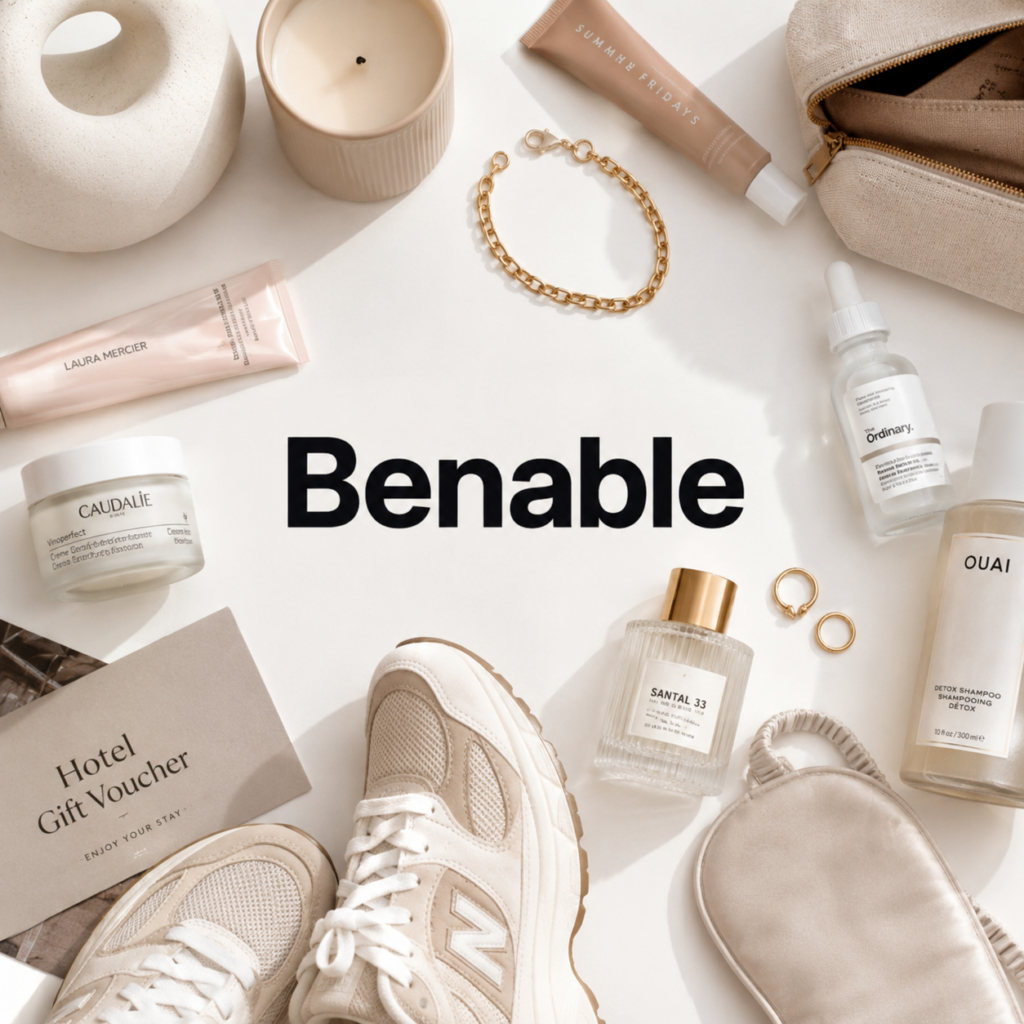
If you’re brand new to affiliate marketing, I almost always recommend Benable first.
Why?
Because it’s incredibly beginner-friendly.
You create your own storefront, organise products into beautiful collections, and start sharing links straight away.
I personally use Benable for things like:
- Travel recommendations
- Home finds
- Books
- Journaling supplies
- Christian resources
- Everyday Amazon products
- Germany travel guides
- Gift ideas
Everyone can get accepted, there are no prerequisites, which makes it the perfect place to learn how affiliate marketing works without feeling overwhelmed.
If you’re starting from zero, Benable is honestly one of the best places to begin.
(I’ll link my full Benable guide here if you’d like to learn more.)
Or you can sign up straight away here for free.
Step Two: Scale With ShopMy
Once you’ve started creating content consistently—or if you already have an established Instagram, TikTok or YouTube account—I’d apply for ShopMy.
Think of ShopMy as the next level.
The platform works in a similar way to Benable, but it has partnerships with some incredible beauty, fashion and lifestyle brands.
This is where I keep collections for things like:
- Makeup
- Skincare
- Perfume
- Clothing
- Shoes
- Accessories
- Luxury beauty products
If Benable feels like your beautifully organised recommendations for everyday life, ShopMy feels a little more like your curated influencer storefront.
The two platforms actually complement each other really well. I don’t see them as competitors. I use both because they each give me access to different brands and different opportunities.
Sign up for free with ShopMy here
Getting Accepted to ShopMy
This is probably the biggest question I get.
Unlike Benable, ShopMy doesn’t automatically approve everyone.
Generally, they like to see that you’re already creating content online, whether that’s on Instagram, TikTok, YouTube or another platform.
You don’t necessarily need hundreds of thousands of followers, but having an active, well-curated account definitely helps.
When I applied, I accidentally connected an older Instagram account with only around 300 followers.
I honestly thought I’d ruined my chances.
But I spent time answering the application questions thoughtfully, and although that account was small, it was very aesthetic and intentional—not just random photos.
To my surprise, I was accepted. If you don’t get approved the first time, don’t panic.
You can apply again after 90 days, or in the meantime, build your affiliate marketing foundation on Benable.
Personally, I actually like that ShopMy is a little more selective. It keeps the platform high quality while still being much easier to get accepted into than platforms like LTK.
What I’d Do Next (My Simple Affiliate Marketing System)
Once you’ve created your Benable account (and your ShopMy account if you’re approved), the next question is usually:
“Okay… now what?”
This is where I think a lot of people get stuck.
They build a beautiful storefront, add a few products, and then… wait. Unfortunately, that’s not how affiliate marketing works.
Your storefront isn’t the business.
The traffic is.
People need to actually find your recommendations before they can buy them. So here’s the exact system I’d follow if I were starting today.
Step 1: Create Collections Around Things You Already Love
One mistake I see people make is adding hundreds of random products to their storefront.
Instead, think in collections.
Ask yourself:
“If someone landed on my storefront today, what would they actually be looking for?”
For example, some of my collections include things like:
- Morning Routine Essentials
- Christian Girly Lifestyle
- Fashion
- Accessories
- Productivity and Goal Setting
- Make money Online and Travel
Notice that none of those are random.
They’re topics people are already searching for.
That’s what you want.
Imagine someone typing “best Christian journals” into Pinterest.
If you’ve already created a collection around that topic, you’re giving them exactly what they came looking for.
Step 2: Think Like Someone Who’s Searching
This little mindset shift changed everything for me. Instead of asking:
“What products do I own?”
Start asking:
“What is somebody already searching for?”
People don’t wake up and search:
“Random things Sarah likes.”
They search things like:
- Best sunscreen for summer
- Cute modest dresses
- Christian gifts for women
- Journaling supplies
- Travel backpack
- Best white sneakers
- Morning routine essentials
- Products that actually helped my curly hair
See the difference? You’re creating content around problems people already want solved. That’s why affiliate marketing works so well. You’re helping someone make a decision they were already trying to make.
Step 3: Pinterest Is Where The Magic Happens
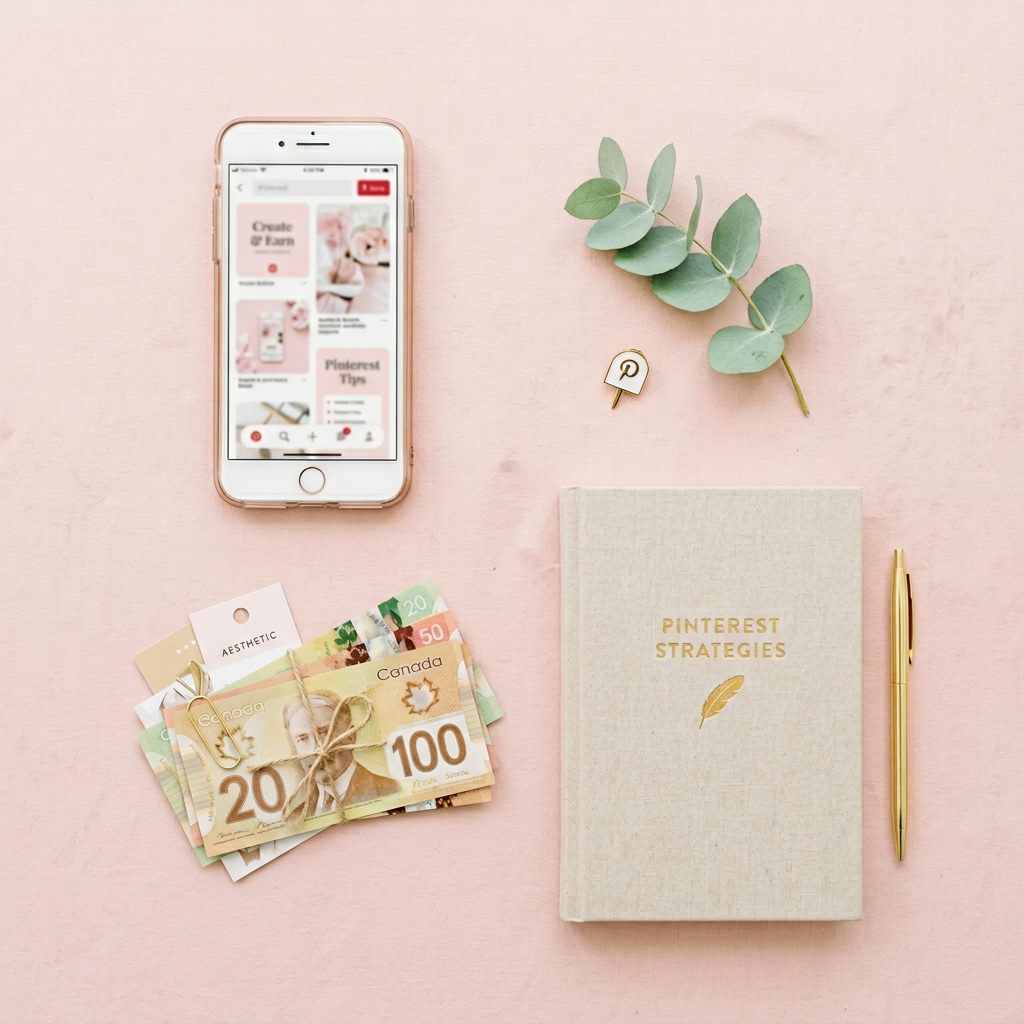
If you’ve followed me for a while, you’ll already know I’m slightly obsessed with Pinterest.
Honestly… I don’t understand why more people aren’t using it. Pinterest isn’t really social media. It’s a search engine.
That’s a huge difference.
When someone opens Instagram, they’re usually looking to be entertained. When someone opens Pinterest, they’re looking for ideas. Or inspiration. Or something to buy. The buying intent is completely different.
That’s why Pinterest is such a powerful platform for affiliate marketing.
A good pin can keep bringing people to your content for months…Sometimes even years.
I have pins that still get clicks long after I’ve completely forgotten I made them. That’s the kind of content I love creating.
Here’s What I Actually Link My Pins To
A lot of people think every Pinterest pin has to go straight to a product.
It doesn’t.
In fact, I usually do it two different ways.
Option One: Send People To Your Storefront
Sometimes I’ll create a pin about something like: “The Best Journaling Essentials for Christian Women.”
That pin links straight to my ShopMy or Benable collection where I’ve already curated everything in one place. People can browse through all of my recommendations, click on the products they’re interested in, and if they purchase, I earn a commission.
It’s simple and it works really well.
Option Two: Send People To A Blog Post
This is actually my favourite strategy. I’ll write a blog post like:
- The Best Summer Dresses You’ll Wear on Repeat
- Christian Girl Bible Study Essentials
- My Favourite Cozy Home Finds
- The Best Travel Accessories for Europe
Then throughout the article, I’ll naturally recommend products from my ShopMy or Benable storefront.
The blog helps build trust. The affiliate links become a natural part of the content instead of feeling like a sales pitch.
Personally, I think it’s one of the best long-term strategies because you’re creating content that keeps working for you.
The One Thing That Stops Most People
It’s not choosing products. It’s creating content.
People know they should be posting. They just don’t know what to create. Or they spend two hours trying to design one Pinterest pin.
I’ve definitely been there.
That’s actually what 100+ Canva Affiliate Marketing Templates are for.
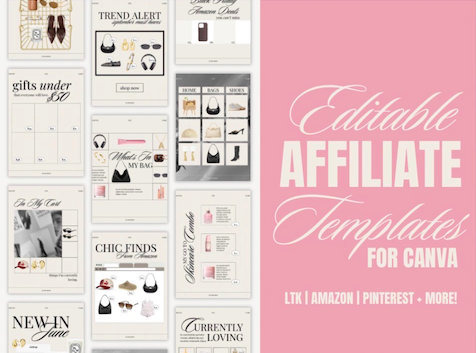
They’re designed specifically for affiliate marketers who want beautiful content without spending hours in Canva.
Whether you’re promoting products from Benable or ShopMy, you simply:
- Open the template.
- Swap in your own product photos.
- Change the text if you want to.
- Add your affiliate link.
- Publish.
That’s it.
They’re perfect for Pinterest, Instagram, TikTok, blog graphics, stories, and pretty much anywhere you want to promote your favourite products.
If designing content has been the thing holding you back, these templates will honestly save you so much time. Plus they are only $25 and comes with resell rights, so you can sell them for 100% profit.
Your 7-Day Affiliate Marketing Challenge
If you’ve read this far, don’t close the tab and tell yourself you’ll come back later. Take one small step today.
Here’s exactly what I’d do over the next week.
Day 1
Create your Benable account.
Don’t overthink it. Just get your storefront set up.
(Insert Benable referral link.)
Day 2
Create your first three collections.
Ideas:
- Morning Routine
- My Favourite Books
- Amazon Home Finds
Keep them simple. You can always add to them later.
Day 3
If you already have an established Instagram, TikTok or YouTube account, apply for ShopMy.
Remember, they don’t approve everyone straight away. If you aren’t accepted the first time, don’t let that discourage you. Keep building your content, then apply again in 90 days.
In the meantime, Benable is the perfect place to get started.
(Insert ShopMy referral link.)
Day 4
Choose ten products you genuinely use and recommend. Not products because they pay the highest commission.
Products because you’d tell your best friend to buy them. That mindset will make all the difference.
Day 5
Create your first Pinterest pins. You don’t need to be a graphic designer. You don’t need to spend hours in Canva.
Just create helpful, attractive pins that make people curious enough to click.
Day 6
Publish them. Done is better than perfect.
Day 7
Repeat. That’s honestly the secret.
Not finding some hidden strategy. Just consistently creating helpful content that points people towards products you genuinely recommend.
Helpful Links
🎨 Grab my 100+ Editable Canva Affiliate Marketing Templates here
📌 New to Pinterest? Read my complete Pinterest guide here.
If you liked this post, you may also like:
-‘How I’d Start a profitable Blog‘
-‘How to make Money on Pinterest‘